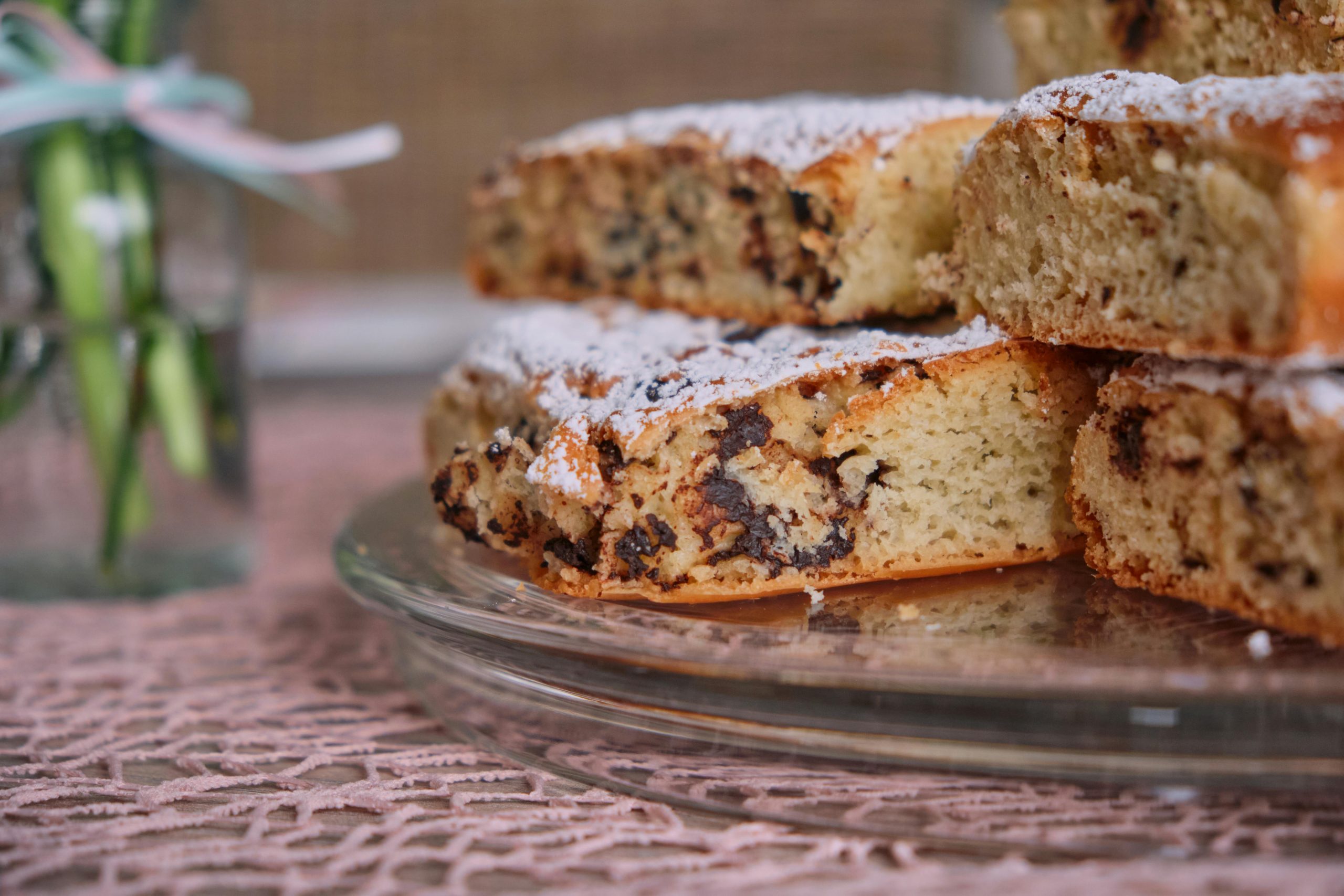
A light and fluffy tea cake is just the thing to turn an ordinary afternoon into something special. Perfecting the texture of a cake involves careful consideration of the ingredients, mixing methods, and even baking time. Step-by-step instructions on how to bake a soft, fluffy, melt-in-the-mouth texture tea cake. Be it plain or sugared or with a cup of tea, this cake is a warm reminder of all that is good at any time of day!
Light Tea Cake Recipe Ingredients
Choosing good-quality ingredients is the first thing you need to focus on to make a soft cake. This tea cake recipe is only possible with the following:
- Flour: All-purpose flour is just fine, but cake flour gives an even lighter texture!
- Granulated Sugar: We sweeten the cake with sugar, which also helps keep the cake moist.
- Eggs: Fresh eggs add structure and richness.
- Unsalted butter adds flavour and tenderises the crumb.
- Milk: Whole milk for moisture, but other milks can be used for flavour.
- Baking Powder: This helps the cake rise evenly.
- Vanilla: Brings out natural flavours, complementing and not hiding.
The proportions for the mixture are very important. If it has too much flour, you end up with a heavy cake, while too much liquid will give you a heavy or sticky one.
Preparing the Batter
However, it is important that the preparation of the batter is done properly to get it soft. The following procedure would produce the best results.
- Creaming the Butter and Sugar: In a large bowl, beat together the butter and the sugar until light and fluffy. This step adds air, which means you can expect a tender crumb.
- Gradually Adding Eggs: Add eggs individually, incorporating them thoroughly after each inclusion to keep the batter intact.
- Dry Combination: Measuring and sifting the flour and baking powder together. This sieving helps to remove clumps and spread them evenly.
- Combine the Dry and Wet Ingredients: Carefully combine the dry ingredients into the creamed mixture. Now, do not over-mix the batter as we want to keep it airy inside.
- Incorporating Dairy and Flavour: Drizzle in the milk and vanilla extract. You want a smooth and pourable (but slightly thick) batter.
Gentle folding instead of vigorous stirring keeps the air bubbles that are essential for a soft, spongy texture.
A Few Baking Tips for Making a Perfect Tea Cake
Baking also helps contribute to that soft, smooth, and even texture. Consider these tips:
- Preheat oven: Preheat the oven to the temperature required. It maintains an even heat, so the cake does not sink.
- Prepare the Pan: Grease the cake pan and dust a little flour in it, or use parchment paper. Which stops sticking and delivers a smooth surface.
- Bake: Do not repeatedly open the oven door to check on them, as the temperature drop may impact the rise.
- How to Check for Doneness: Insert a toothpick into the centre of the cake. A toothpick inserted into the cake should come out clean when baked.
When baked properly, they will have a light, crusty, golden exterior and soft interior. Letting the cake sit in the pan for a few minutes before moving to the wire rack helps hold its shape.
Tips for Enhancing Flavour
The simple tea cake recipe on its own is delicious, but subtle tweaks can take the flavour to the next level:
- Zest: A small amount of lemon or orange zest introduces an aromatic, citrus note.
- Spices: The cake can get warm with just the right amount of spices (cinnamon, nutmeg); the rest can go heavy on the cakes.
- Extracts: A unique twist to your cookies comes from almond or coconut extract.
- What to serve on top: A sprinkle of powdered sugar, just an icing, or some fresh fruit would add class and taste.
Bakers can customise the tea cake with minor modifications, without compromising the soft texture.
Storing and Serving Suggestions
A well-baked tea cake lasts for several days and stays fresh and moist when stored properly:
- Storage: Cover the cake with plastic wrap, or pop it into an air-tight container to prevent drying out.
- To Serve: Cut into thin pieces and enjoy with a cup of tea or coffee. You can even toast it lightly if you want to serve warm slices.
- Freezing:The cake can be frozen for even longer storage. Wrap the pumpkin tightly when freezing it and defrost it at room temperature before serving.
This cake is lovely served a little warm, which you can easily do in the microwave, which adds to the lightness and flavour combination delight of this cake, and makes it a great dessert for a gathering.
Common Mistakes to Avoid
Problems that impact texture can happen even to experienced bakers. Watch out for these:
- Mixing too much: This results in a dense rather than fluffy, light cake.
- Over-measured or Under-measured: Adding an excessive amount of flour or not enough water can make a huge impact on dough texture.
- Skipping Sifting:Failure to sift flour may lead to clumps or inconsistencies in the rise.
- Oven Temperature Extremes: A cake can suffer a too-hot oven (dark, dry crumb with over-browned edges) or too cool oven (pale, unstable inner crumb).
By adhering to these guidelines, the result delivers a rib rack tender and flavourful every time.
Explore: Boiled fruit cake recipe
Conclusion
With some care and a methodical approach, it is possible to get a soft, light tea cake. It requires using the right type of ingredient, mixing carefully, and baking at a specific temperature. A splash of zest or a hint of spice can be individualised to make the cake attractive. It stays as comforting and versatile as ever when it comes right out hot or is stored away well. Once you get the hang of this recipe, the flavour combinations are endless, but the light, soft crumb characteristic of a tea cake stays constant!