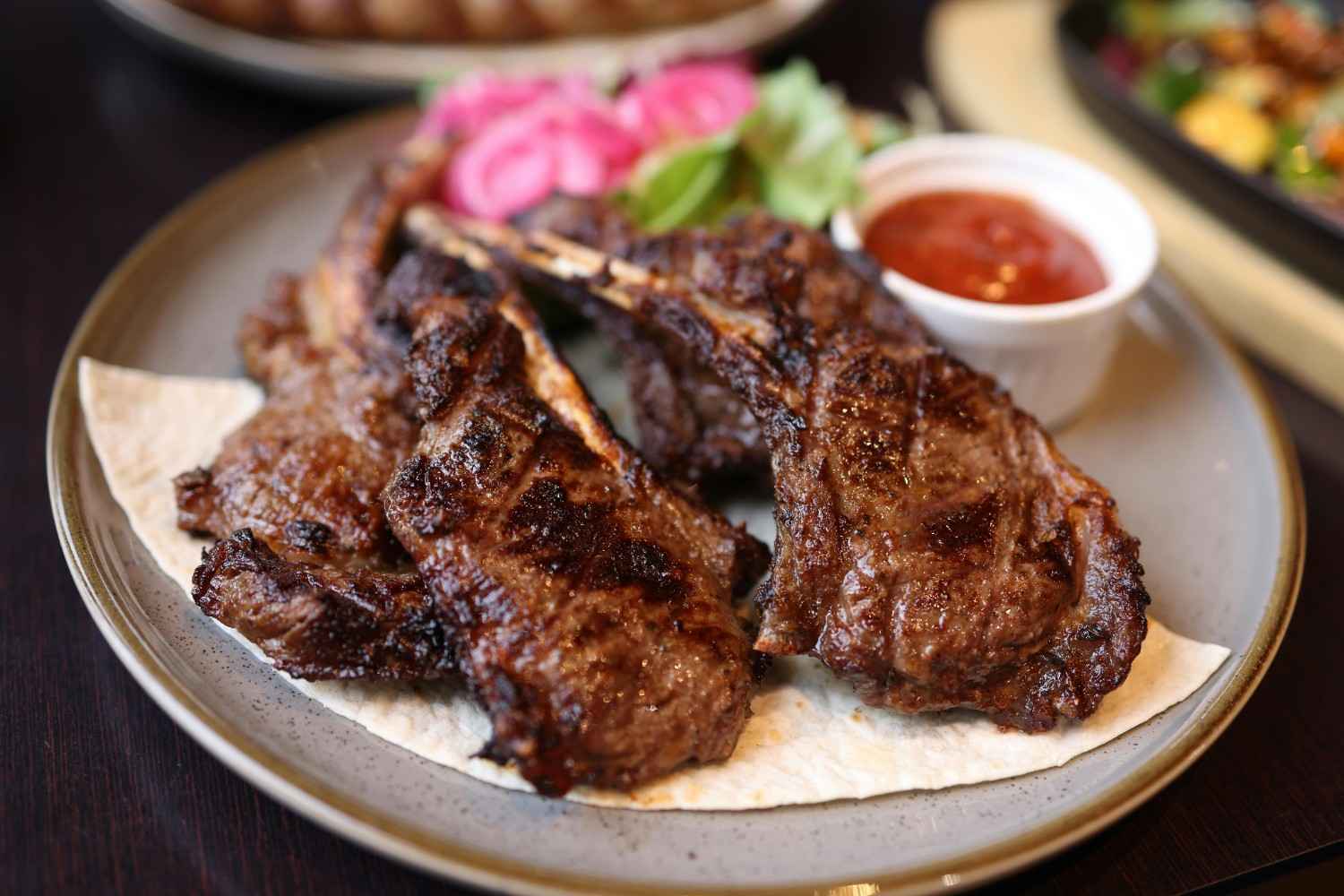
The warming, filling dish has the potential to soothe any table, and home cooks savour meals that pay off the wait with rich flavour. This is partly by design, because a slow-cooked lamb shoulder gives us that experience in slow, gentle heat and time. It works for hectic homes and those with a demand for fuss-free prep, as well as those who appreciate the results of tender meat, without having to go through the complex processes involved. In this guest post, readers are led through the dish while being given practical advice that guides them in confidently making it themselves.
Why This Dish Draws Attention
When slow-cooked, a lamb shoulder takes on an almost buttery tenderness and an incredibly alluring scent. Those who love savoury recipes often appreciate the way the slow cooking process draws out deep notes that complement both a leisurely dinner, at which not much talking is to be done, and a more casual gathering. Each stage promotes pressure-free care, making it easy for even newcomers to become acclimated to the method.
This recipe is appealing for several different reasons:
- It makes the meat so tender without much effort.
- The preparation requires modest tools.
- It is a process that provides flexibility in terms of timing.
- The outcome is a great accompaniment with grains and vegetables.
- Such benefits cater to home cooks who seek reliable results without a lengthy extent of training or specialised tools.
Ingredients That Support Great Flavour
Herbs, seasonings, and vegetables create an even profile. A well-outlined list brings precision to the ingredients and allows readers to prepare their kitchen before the recipe. The very essence of it is made up of very few simple components,
- Lamb shoulder
- Salt
- Pepper
- Garlic
- Onion
- Carrot
- Bay leaf
- Olive oil
- Stock
- Lemon juice
- Some herbs like rosemary or thyme
Good produce allows the meat to stand out without overpowering the dish. Slow cooking helps these ingredients release their subtle flavours that pair well with lamb.
Preparing Everything Before Heating
Preparation — Who wants to go to war without a plan of action? This ensures that later stages are supported and not confused when cooking. Keep it simple enough that not only can they spread out their reading, but there also needs to be enough room to do so.
Start by removing some of the fat, but do not dry out the shoulder. Sprinkle salt and pepper over the meat and set aside. Chopped the onion, carrot, and crushed garlic for aroma.
Let a small amount of olive oil heat in a pan. Brown the meat on all sides. This step cements the character and adds one more layer of colour that complements the final dish whenever one prepares it.
Place the vegetables at the bottom of a stovetop/oven pot. Position the lamb on top. Include some herbs, such as a bay leaf, and add enough stock so that the bottom half stays moist. This lemon juice adds a flavour brightness to the long cooking process.
Gentle Cooking for Perfect Tenderness
Slow heating defines this recipe. It takes time to let the shoulder relax into the absorbing flavours around. The low temperature will allow the meat to rest in gentle heat for a few hours.
Set the pot in a moderate oven. Keep the temperature steady. Do not be tempted to look too frequently. A lid keeps the moisture in & helps avoid dryness. After a few quiet hours of cooking, you will have tender layers that easily break apart.
Timing can be adjusted according to the reader’s preference. Increased hours soften the shoulder, while decreased hours maintain just a bit of structure. Both versions suit varied palettes.
Ideas that go well with the recipe
Presentation helps complete the experience. Earthy or bright sides complement a slow-cooked lamb shoulder. Consider these ideas:
- Soft mashed potatoes
- Roasted seasonal vegetables
- Rice with herbs
- Crusty bread
- A light green salad
Just a drizzle of cooking juices keeps things interesting and keeps each serving moist. A sprinkle of herbs adds colour and a faint fragrance that can liven up the dish and complement it perfectly without overpowering it.
Helpful Tips for Best Results
Sometimes, readers would welcome greater prompting that reinforces their confidence. Here are some little habits that ease the process of cooking:
- Use paper towels to dry the meat before browning.
- Use a stock that is mild in taste.
- Use salt in moderation initially.
- Midway through your cooking time, check the level of your liquid.
- Let the cooked lamb rest before carving.
All of these suggestions lend themselves to a smooth experience and give even novices the confidence to try the recipe.
See also: Beef ribs recipe
Conclusion
It is so simple, yet warming and comforting, with its gentle heat and seasoning, like a long-braised lamb shoulder done just right. It is also a recipe that is ideal for families who love to eat hearty meals but do not want to do anything fancier than their own cooking style. This dish can be prepared at any time by anyone looking to get delicious flavours from simple steps.