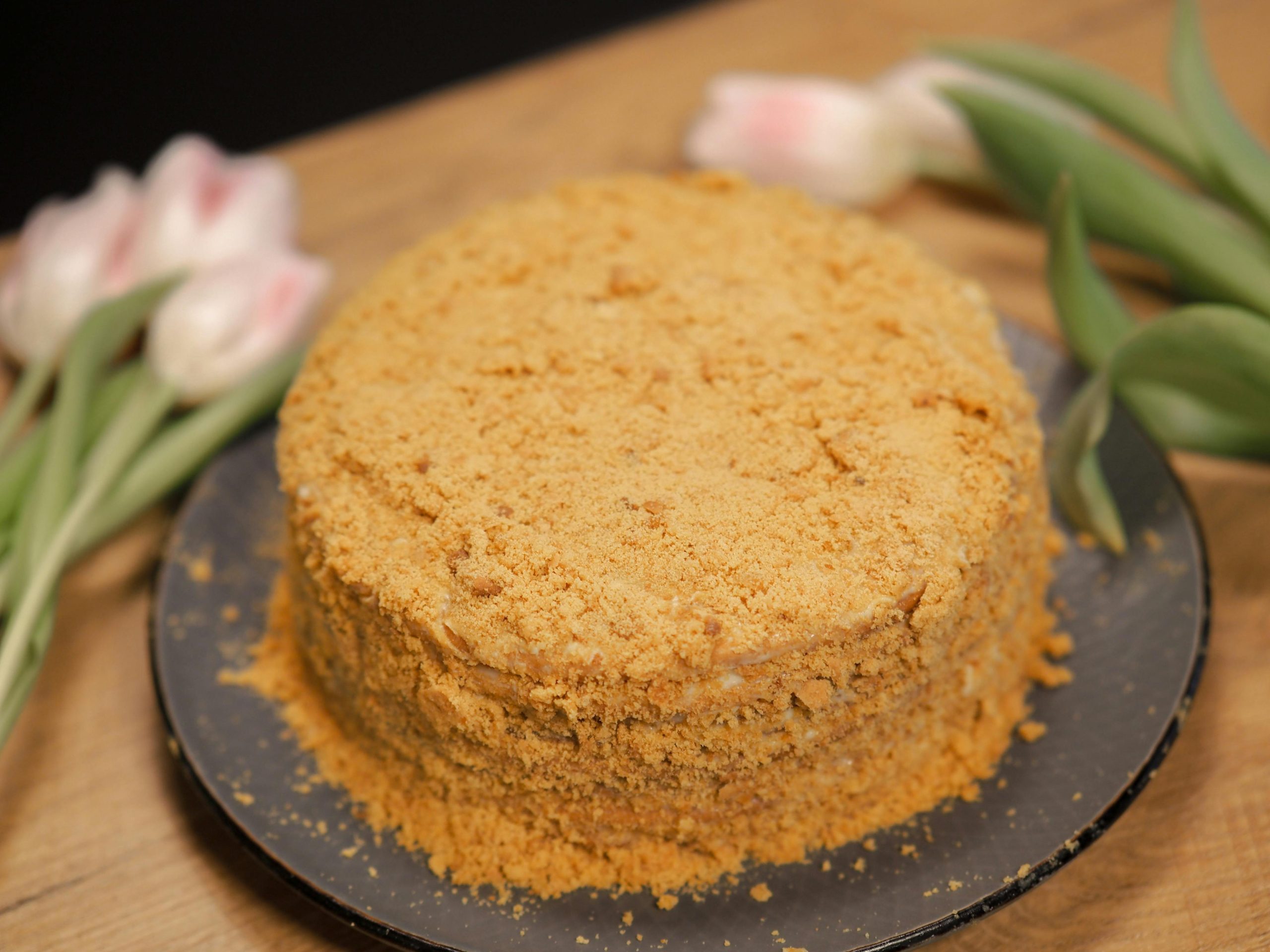
The gentle nature and wonderful taste of light sponge cake comfort many homes. For bakers who love a tried-and-true method that does most of the work for you, a sponge cake recipe is always going to come in handy. This guide offers a straightforward approach that promotes reliable outcomes while still making the process accessible for both newbies and seasoned cooks. Everything in each stage is built on simple guidelines that preserve balance, taste, and moisture.
Essentials for Preparation
Baking is often a balancing act, to be sure. There must be a balance between the dry and wet elements. Proper tools also influence outcomes. The notes below outline the key elements of a reliable routine.
- Fresh eggs help maintain lift.
- Fine flour improves softness.
- Accurate measuring prevents dense results.
- A clean bowl prevents any unwanted remains from contaminating mixtures.
- Together, these elements add up to a cake that is light and pleasant.
Core Ingredients
Take a classic sponge — it can be made from a handful of ingredients. Bakers actually enjoy this simplification as it replaces ambiguity with clarity, which saves steps.
- Flour
- Sugar
- Eggs
- Butter
- A rising agent
- Vanilla extract
- A small amount of salt
- Width here contributes to structure without heaviness. Harsh treatment holds the texture tight.
Preparing the Batter
Great batter begins with ingredients at room temperature. Making your volume blend properly with smooth visuals. Start by beating eggs with sugar & filling them with a lot of air. More than half of the cake’s height comes from this step. This helps prevent the mixture from being overmixed.
Add melted butter, but let it cool for a moment before adding it to the mixture. Warm butter may affect volume. Light folding with flour helps preserve the trapped air as it is added. It should also appear cohesive, powdery, and steady. Using firm, quick strokes tends to push out air pockets, which is why being gentle helps maintain softness.
Setting the Tin
A suitable tin will help to ensure that the cake bakes evenly. Non-stick lining around the tin, high walls. Butter lowers the risk, and parchment promotes removal. If it covers all the bases, it also prevents charred edges. Gently spreading the batter evenly before baking. Gentle taps emit larger bubbles and help mould a uniform crumb.
The Baking Stage
Oven temperature influences overall success. A medium heat is ideal for this particular recipe, as it allows the cake to rise evenly over a longer period of time and avoids the problems of deflation. Sudden changes in the top shoes can cause cracks.
Make sure that your tin is placed on the centre rack. It encourages heat distribution evenly. Allowing for proper drying will also help keep the structure strong, as opening the door too early can weaken it. Stick a skewer in it to check if it’s done. A clean skewer signals completion.
Cooling the Cake
Sponge, once baked, requires some tender loving care. Transferring the tin to a rack helps with air circulation. This would stop moisture from reaching the base. Leave it for a little while, and then take the cake out to cool completely. A cake that is still warm may come apart, so it is best to let the cake cool and settle to ensure that it retains its shape.
Serving Ideas
There’s lovely versatility in a plain sponge cake. This versatility works for nearly any gathering or everyday occasion. Several ideas include:
- Dusting with powdered sugar.
- Layering with cream.
- Adding sliced fruit.
- Pairing with warm beverages.
- A little sweet jam in the middle.
These little additions enhance the sponge without masking its subtle character.
Common Mistakes and Helpful Tips
Even experienced bakers make mistakes. Gentle reminders support better outcomes.
Avoid heavy stirring. Strong motions may reduce fluffiness. Keep all ingredients at equilibrium temperature. Cold eggs may hinder volume. More flour makes for denser slices. Active agents from new baking powder preserve quality. If you find that built-in readings seem to be inaccurate, an oven thermometer control is a better option.
Why This Method Works
A sponge cake depends on air. Every step of this recipe locks in that air. The primary lift is generated by whipping the egg’s folding lock structure. Careful baking prevents collapse. Cooling strengthens shape. These steps are necessary to achieve the same outcome every time.
See also: Mediterranean diet recipes
Conclusion
Comfort through the challenge of simplicity — a sponge cake recipe. This simple, straightforward cake has all the makings of a light, delicious treat, supported by good preparation, careful mixing, and steady baking — perfect for a variety of occasions. All of these steps promote a simple and clear approach. For bakers seeking more practical guidance, this method can deliver a tender and harmonious treat with enthusiasm for both guests and families.