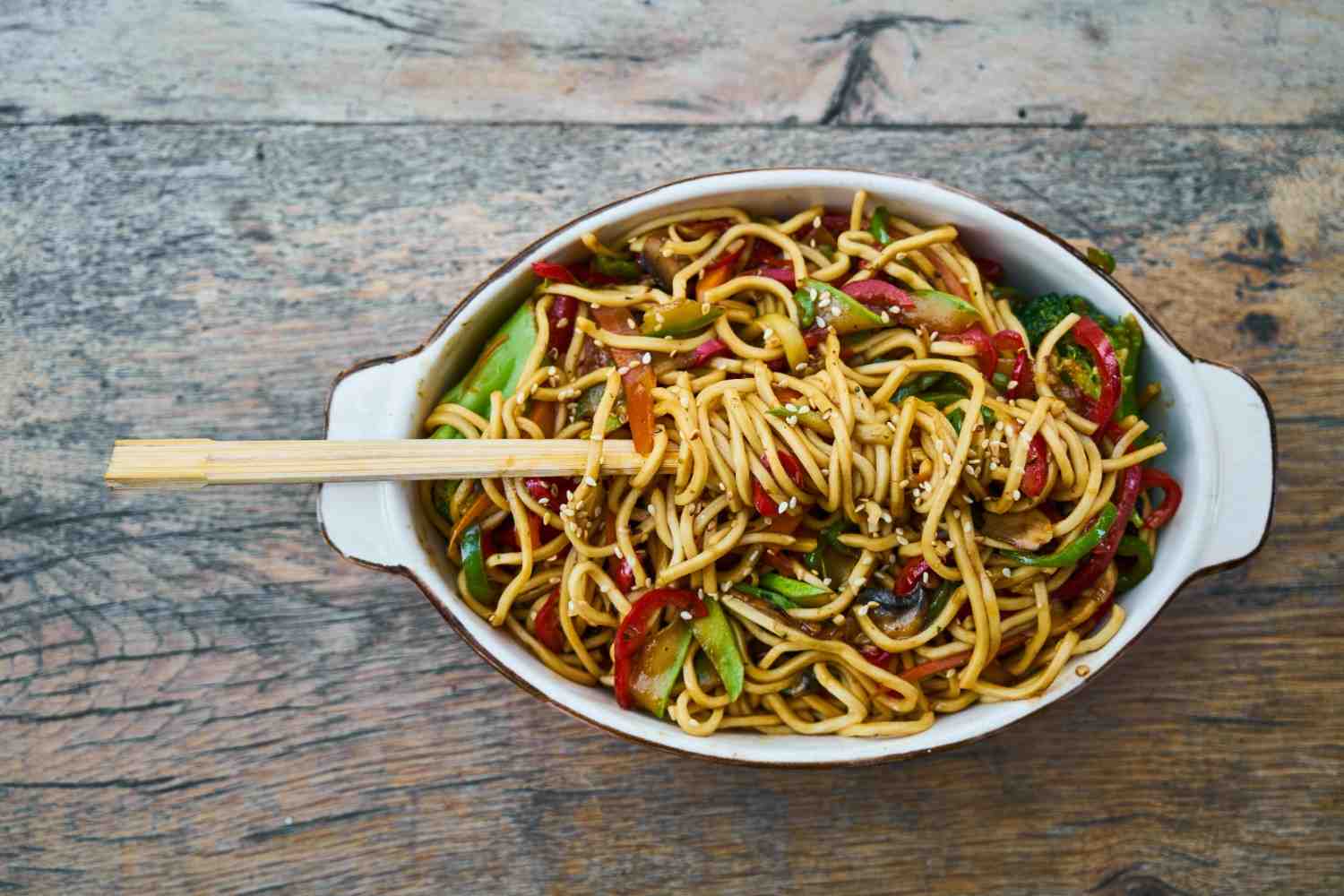
Chow mein noodles add a nice texture and flavour to any table. This guide offers a practical approach to combining the elements of a comforting dish through straightforward preparation and harmonious seasoning. The process is broken down into different sections designed to make a home cook feel confident, without using obscure ingredients or overly complicated techniques.
Key Ingredients
Chow mein noodles are made from a few simple ingredients. Having them all ready beforehand helps keep the cooking process smooth and organised.
- Wheat noodles
- Fresh vegetables
- Light soy sauce
- Neutral cooking oil
- Ginger
- Garlic
- Spring onions
- Tofu, chicken, or shrimp as an optional protein
These elements lay out a base to appeal to diverse palates without seeming complicated.
Preparation Steps
A little care will ensure that this dish remains both composed and tasty. Helping with every small task ensures better outcomes.
Preparing Vegetables
Different vegetables support various textures. By cutting them into thin pieces, everything can be cooked at a consistent speed. Carrots bring colour. Cabbage adds crunch. Peppers supply a gentle bite. The uniformity of your pieces allows heat to reach each piece at almost the same time.
Handling Aromatics
Ginger and garlic add warmth and complexity. Chopping them both finely ensures the aroma spreads evenly across the noodles. Pieces that are too large also create strong flavour pockets that might dominate the dish.
Choosing a Protein
Protein selections depend on preference. Tofu is good for meals heavy on plant-based ingredients. Chicken is also one of those things that turns out great at medium heat. Shrimp works well in a fast stir-fry because it cooks quickly. Whatever option you select, cut or prepare in advance so that there is no delay in the stir-fry.
Cooking the Noodles
Chow mein noodles are somewhat delicate, and you want to handle them carefully to prevent them from becoming mushy. When cooked through, it becomes too soft to withstand sauces or a quick tumble.
Boil water in a deep pot. Add the noodles gently. Stir once to prevent sticking. They should be ever so slightly firm to the touch when done cooking. Drain them well. Rinsing under cool water prevents it from softening more. To prevent the mix from clumping while preparing other ingredients, drizzle in a little oil.
Building the Base Flavours
The heat influences the taste of every element. For a proper stir-fry, you want a pan that can retain heat well.
Heating the Pan
Something like a large frying pan or wok handles fast cooking well. We sprinkle some oil while heating. When the oil looks hot, add the chopped ginger and garlic. When you can smell them rising, it’s time to put in the vegetables.
Cooking Vegetables
First, start with the hard vegetables in the pan. Heat does not significantly affect carrots and peppers. You want to toss lightly to retain colour and a little bit of crunch. Then, when the firmer pieces start to soften, add softer vegetables. Controlling timing keeps textures balanced.
Adding Protein
Protein scraps should be added to the pan after the vegetables have begun to soften. Each will need to cook to a safe internal temperature. Shrimp turns pink. Chicken loses its pink centre. The edges of the tofu turn brown.
Combining Noodles With the Base
Once the noodles are finally tossed in with the cooked ingredients, a complete mixture is formed. Gently drop them over the noodles placed in the pan. Quick, rapid motions to toss them with the vegetables and protein. Spread it out evenly without applying too much pressure.
Seasoning
Light soy sauce is used for colour and taste. Balance in a dish is achieved through a small amount of it. You can always add extra seasoning afterwards to taste. At the tail end, spring onions add a touch of freshness. You can add them as the noodles finish cooking, which is key to retaining their vibrant flavour.
Tips for Improvement
- Even the smallest tweaks can drastically alter the outcome of the meal.
- Never add wet ingredients to the pan.
- Ensure the pieces of vegetables are cut as evenly in thickness as possible so they all cook evenly.
- Add the sauce gradually to manage the salt content. Fresh noodles would be a great option because of their bite.
Ideas for Serving
Chow mein noodles are best served fresh. Warmed-up noodles retain their flavours intact. Serving them with light soup or perfectly seasoned tea would bring out an attractive balance. Additionally, a simple salad with crispy spring onions or a light squeeze of citrus would enhance the flavour of the meal without taking away from it.
See also: Bread and butter pudding recipe
Restatement
Chow mein noodles are a convenient meal option for days when one is in a hurry or simply seeking to unwind. Following some simple steps, getting organised, and exercising consistent heat will yield some of the most satisfying flavours. Home cooks can experiment with different levels of oyster sauce and other spices to suit their personal taste.