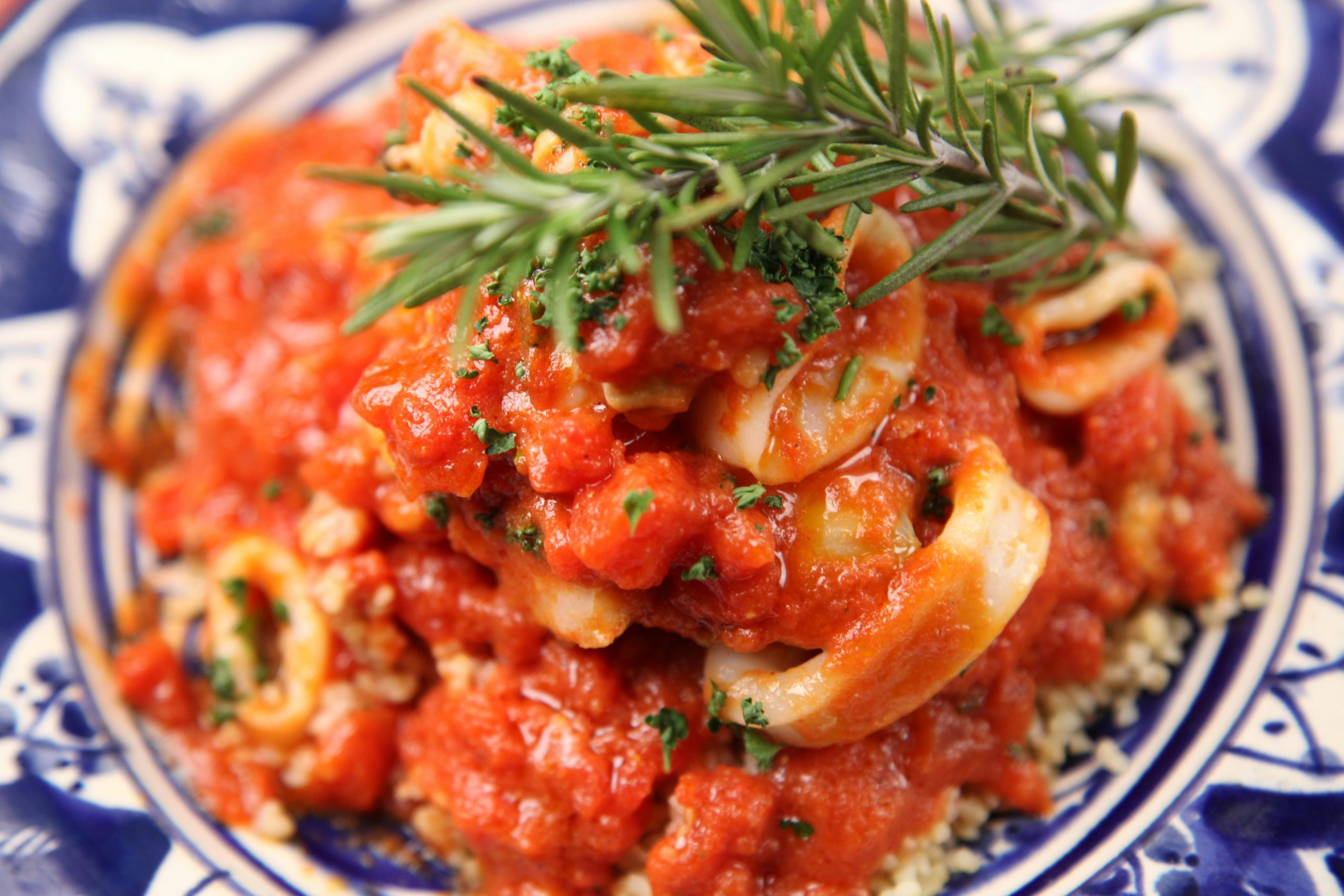
Satay sauce has been a popular accompaniment to grilled meat, vegetables, or even rice. With a deep, nutty flavour and a silky smooth texture, you know every bite is going to be an instant meal upgrade. The beauty of learning the simple satay sauce recipe is that anyone at home can replicate it to enjoy flavours that rival those of a restaurant, without complex processes or unavailable ingredients.
Ingredients Needed
You can make a great satay sauce without too much shopping. You need the following ingredients as a base:
- Peanut butter: Either creamy or crunchy, as desired.
- Coconut milk offers a rich, creamy texture.
- Soy sauce: a sweet and gentle, salty flavour.
- Brown sugar: Offers a subtle touch of sweetness to round out the flavours.
- Garlic: Minced fresh for a powerful scent.
- Ginger:Adds warmth and a faint spiciness.
- Lime juice: Adds acidity to the sauce and more flavour.
- Chilli flakes/paste (optional) for a subtle spiciness.
This makes the recipe easy to try without special store trips, as all the ingredients are commonly available.
Step-by-Step Preparation
Satay sauce is a simple process to make. These steps make sure that you will have the right texture and tasting profile:
- Milk Method: Add the coconut milk to a small saucepan, then heat it over medium. Stir occasionally to prevent sticking.
- Incorporate peanut butter: Stir until the mixture is smooth and fluffy.
- Add dark soy sauce and sugar: Stir to combine the savoury and sweet flavours.
- Add garlic and ginger: Stir for a few seconds, allowing the aromatics to blossom in the heat like fragrant flowers.
- Season to taste: Add lime juice and chilli as needed. Add three more minutes to your simmering time.
If the sauce has thickened to the desired consistency, you can turn off the stove and serve it immediately. If you want a thicker sauce, let it simmer for a bit longer. If you make a thinner version, it is ideal to drizzle it over rice or noodles.
Tips for Perfect Satay Sauce
- Beyonds:care touches even in simple recipes. So, to level up your result, use the following tips;
- Use natural peanut butter (for a fresh taste), roasted for a more intense flavour.
- Coconut milk: The best canned full-fat coconut milk will create the creamiest sauce — use a light variety if you are looking for a lighter option.
- Balance of sweetness: Add sugar bit by bit while tasting along the way. Adjust according to personal preference.
- Chilli: Add a little at the beginning and then increase it slowly; do not add too much chilli at once, as it will overpower the sauce.
- Storage: Store any leftovers in an airtight container in the fridge for 7 days. Reheat gently before use.
Use these tips to ensure that each batch of satay sauce is just as flavourful and consistent.
Serving Suggestions
This melts gorgeously well with several food items. Some ideas include:
- Skewered grilled meat/satay (chicken, beef, or pork): It brings the dish up a notch.
- Vegetables: Roasted or steamed vegetables are rich in flavour when paired with this sauce.
- Rice or noodles: Drizzled over plain rice or stir-fried noodles for a creamy, nutty finish.
- Dipping sauce: Use for spring rolls, tempura, or fresh vegetables.
This satay sauce recipe is as versatile as it gets, perfect as a main dish or an appetiser!
See also: Mediterranean diet recipes
Conclusion
Once you have a basic satay sauce mastered, the gates to flavour town are open at home. These peanuts, combined with coconut milk and spices, create a thick and fragrant sauce. If you follow a simple procedure and some small suggestions, you can create a rich and enjoyable sauce that can be used for many different purposes. So get out the marinated chicken, this simple recipe makes great satay flavour available any night of the week to give your everyday meals a restaurant-grade touch.